

The Unexpected Loss
It knocked the wind out of me...

Hey Family,
We’ve talked about two types of grief so far - grieving the unexpected life and grieving the unexpected promise. Today, we’re going to talk about one that we’ve all experienced, and in some cases, back-to-back. It’s grieving the unexpected loss.
In 2017, we found my mother’s brother dead. Unexpected is an understatement. What really hit for us was that in 2013, we lost my grandmother in August. In August of 2015, the day before my birthday, my Uncle Bob passed. Then, in August 2017, we lost my Uncle Ronald. My mother was finishing radiation treatments for tongue cancer. Here it was, we should’ve been celebrating a huge blessing (and we were), but it happened at the same time as a loss that I still can’t put into words today.

Grieving is hard, and nothing hurts worse than losing someone unexpectedly. This isn’t to say that death isn’t hard, but the difference in being prepared for it versus it sneaking up on you is great.
One of the things I’ve learned through loss is that grief doesn’t follow a schedule. It doesn’t move neatly from one stage to the next. Some days you’re okay, and other days a memory, a song, or even a smell can bring everything rushing back. But in the middle of that process, there were a few things that helped me keep moving forward.
1. Cry when you need to.
Sometimes the most spiritual thing you can do is let the tears fall. We don’t have to pretend to be strong when our hearts are breaking. God is near to us in those moments.
“The Lord is near to those who have a broken heart, And saves such as have a contrite spirit.”
— Psalm 34:18 (NKJV)
Your tears are not wasted. God sees them, and He meets you right there in the middle of your pain.
2. Be real with God by asking “why.”
Contrary to what some of us heard growing up, asking God questions isn’t disrespectful. It’s honest. The Bible is filled with people who cried out to God when they didn’t understand what was happening.
God isn’t afraid of our humanity. He can handle our questions, our confusion, and even our frustration. We may not always like or understand the answer, but we can bring our hearts to Him exactly as they are.
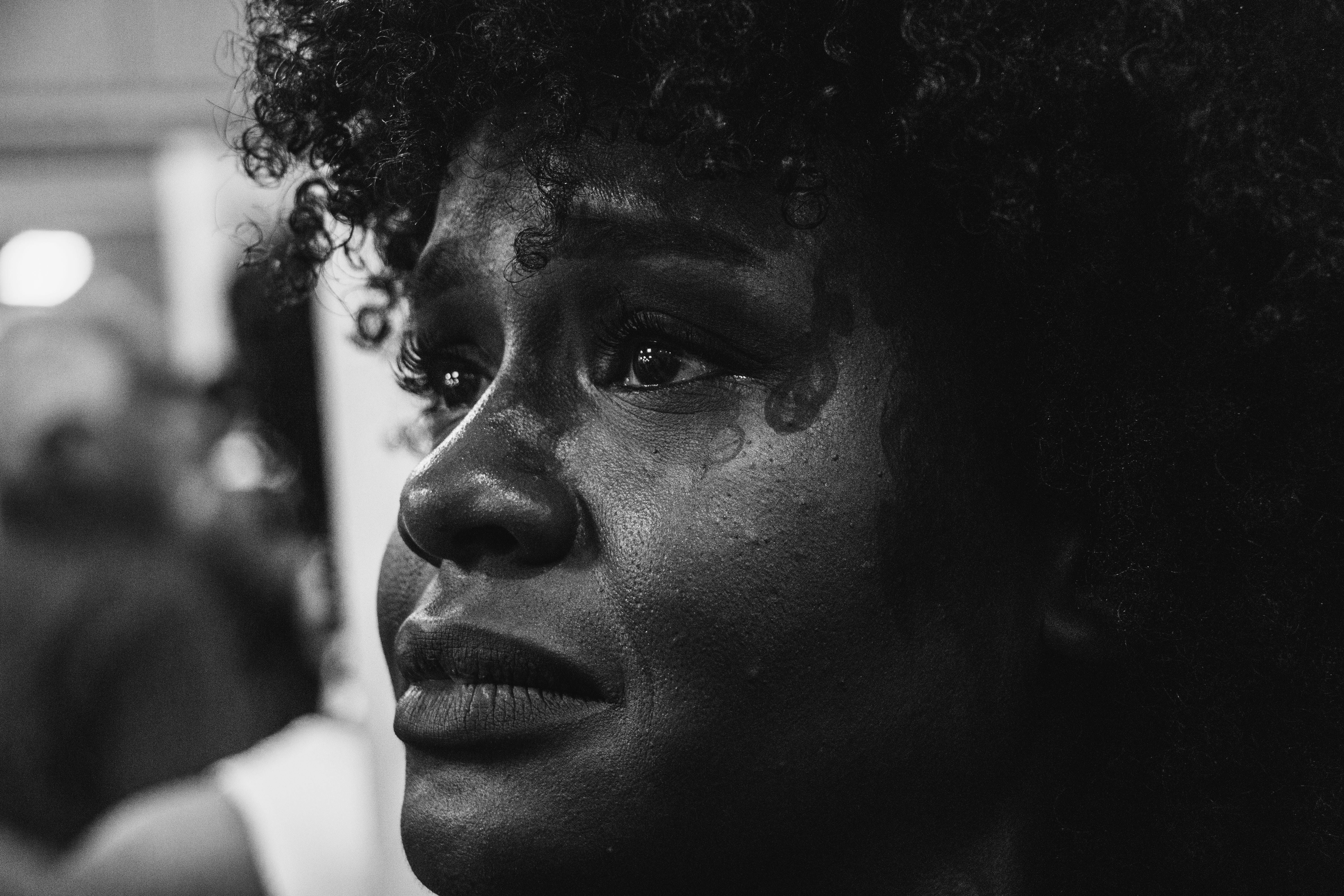
3. Surrender to the process of grieving without guilt.
Don’t let anyone rush your process or try to “Bible” your pain away. Healing doesn’t come from pretending that everything is fine. Grief takes time, and everyone walks through it differently.
Give yourself permission to feel what you feel. God is patient with us as we heal, and we should extend that same grace to ourselves.
4. Find creative ways to work through your grief.
For me, that outlet has been writing. As an author, writing has become very therapeutic. It allows me to process emotions that are sometimes hard to say out loud. Putting words on paper helps me release things that would otherwise stay bottled up.
For you, it might be journaling, painting, music, prayer walks, or simply talking with someone you trust. However it shows up, don’t suppress the process—express it.
If you’re walking through grief right now, I want you to know this: you’re not alone, and this season will not last forever. The pain is real, but so is God’s presence in the middle of it.

Scripture reminds us:
“Blessed are those who mourn, For they shall be comforted.”
— Matthew 5:4 (NKJV)
And one of the most comforting promises is this:
“The Lord is near to all who call upon Him, To all who call upon Him in truth.”
— Psalm 145:18 (NKJV)
If grief has been heavy for you lately, take a moment today to breathe, to pray, and to give yourself grace. God is closer than you think, even in the quiet moments where the pain feels the loudest.
With love,
Mya Kay
Very insightful and heartfelt article!